Mature trees can generally handle a heavier prune than young ones, but they also carry more risk if it’s done badly – a bad cut on a large, established tree can lead to decay, disease entry, or a weak branch attachment that fails years later. Here’s how to prune mature trees properly.
Techniques for Proper Branch Removal
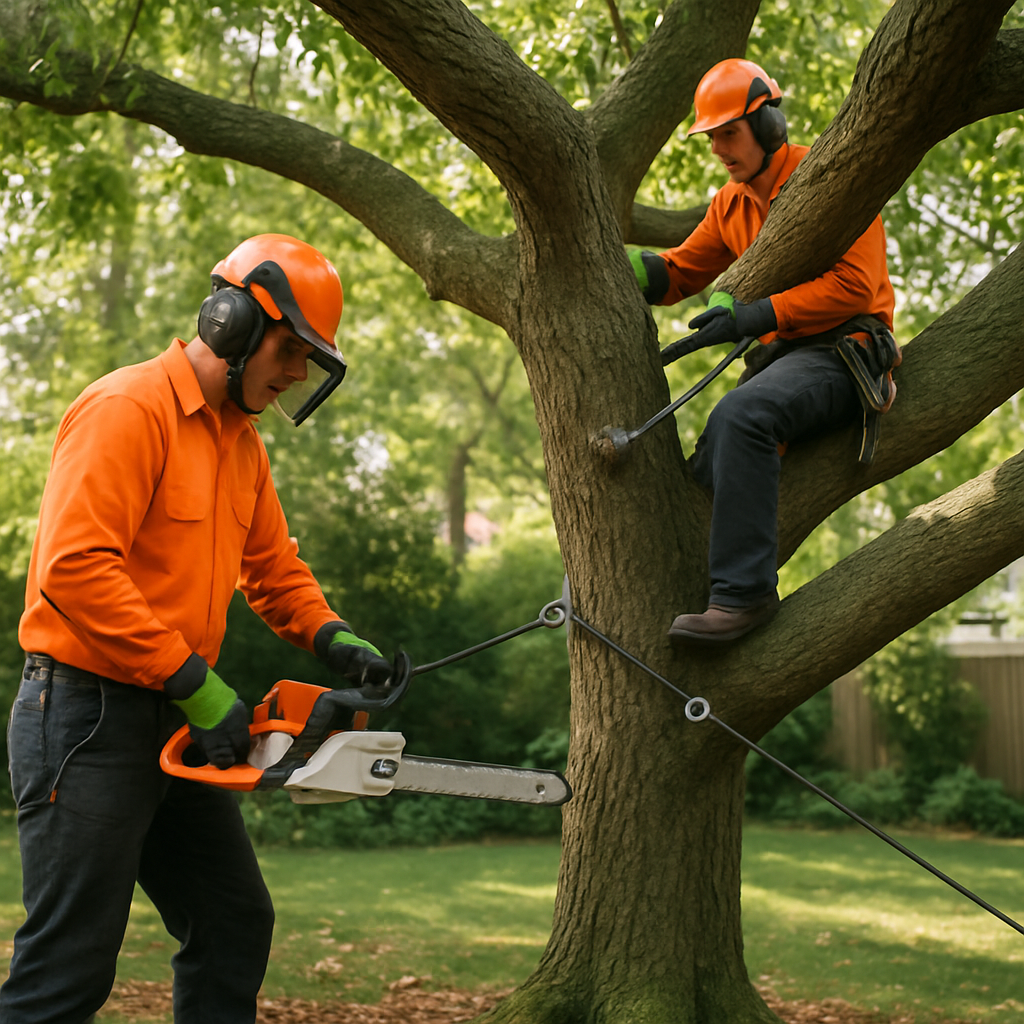
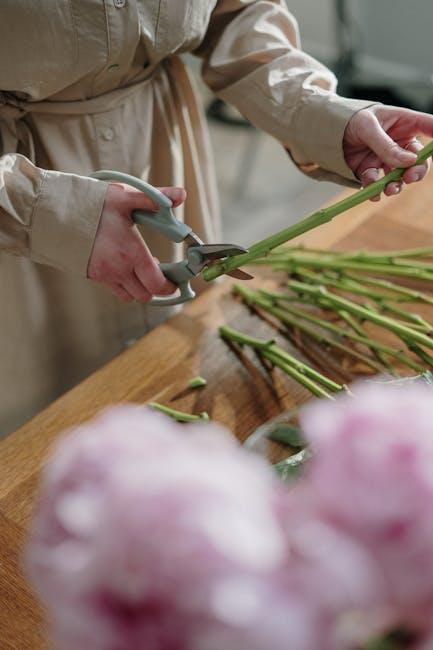
Always cut just outside the branch collar (the slightly swollen area where a branch meets the trunk) without leaving a stub – stubs are a common entry point for decay and disease. Use sharp, clean tools to avoid tearing the bark, and look at the tree’s overall branching pattern before you start: remove crossing, rubbing or clearly weak branches first, then step back and reassess before removing more.
Timing Pruning for Tree Health
For most mature trees, the dormant season (late winter to early spring) is the safest time to prune. Pruning during active growth puts more stress on the tree and can make it more vulnerable to disease. The right timing does vary by species, so it’s worth checking before doing significant work on an established tree.
Common Pruning Techniques for Mature Trees
- Crown cleaning – removing dead, dying or diseased branches.
- Crown thinning – selectively removing branches to improve light and airflow through the canopy.
- Crown raising – removing lower branches for clearance over paths, driveways or structures.
- Crown reduction – reducing the overall size of the canopy while keeping the tree’s natural shape, usually to manage a tree that’s outgrown its space.
Frequently Asked Questions
Why is pruning important for mature trees?
It removes dead or diseased wood, improves air circulation, reduces the risk of branch failure, and helps the tree stay healthy and structurally sound for longer.
Can you over-prune a mature tree?
Yes. Removing too much canopy at once – generally more than around a quarter of the foliage – can seriously stress an established tree. Mature trees are usually pruned conservatively, over multiple visits if significant work is needed.
Should I hire an arborist for pruning a large, mature tree?
We’d strongly recommend it. Mature trees are heavier, taller, and carry more risk – both from the height involved and from the consequences of a poor cut on an established tree. A qualified, insured arborist has the training and equipment to do it safely.
Simpsons Tree Service provides professional pruning for mature and established trees across Melbourne’s north eastern suburbs. See our tree pruning service or get in touch for a free quote.