Mulching Techniques for Trees
Mulching is a great way to protect trees from extreme temperatures, retain moisture, and suppress weeds. When mulching around trees, be sure to avoid piling mulch against the trunk to prevent rot.

Trees play a vital role in many cultural traditions around the world. From the sacred groves of ancient civilizations to the tree of life in mythologies, trees hold significance as symbols of life, wisdom, and connection to the divine.
Bioremediation is a sustainable solution for environmental cleanup, and trees play a crucial role in this process. Trees can help remove contaminants from soil and water, making them a valuable tool in restoring ecosystems.

Trees play a crucial role in green building design by providing shade, reducing energy consumption, improving air quality, and mitigating stormwater runoff. Integrating trees into architectural plans is a sustainable choice for a greener future.

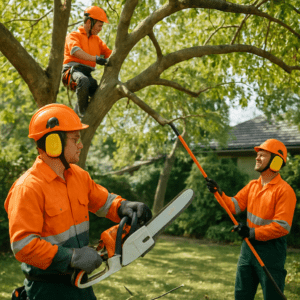
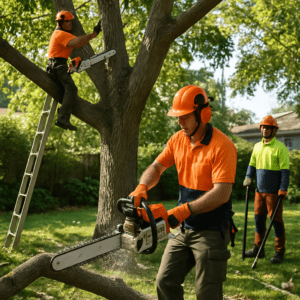
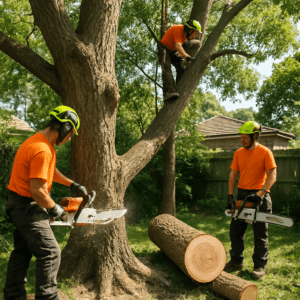
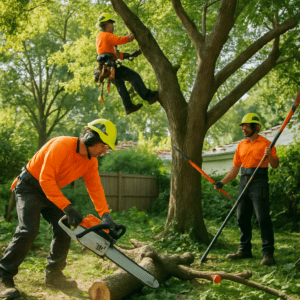
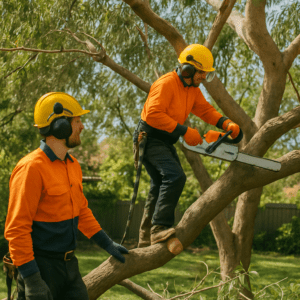
Advanced tree pruning techniques, such as crown thinning and reduction, can improve tree health and aesthetics. Proper training and tools are essential for successful pruning outcomes.

Trees play a crucial role in offsetting carbon dioxide emissions by absorbing and storing the greenhouse gas through the process of photosynthesis. This natural process helps to mitigate the effects of climate change and contributes to a healthier environment.

Green infrastructure is essential for urban areas as it helps improve air quality, reduce urban heat island effect, and provide habitat for wildlife. Trees play a crucial role in green infrastructure by providing shade, capturing stormwater, and sequestering carbon dioxide.
Tree council permits play a crucial role in land development projects. These permits regulate the removal or pruning of trees, ensuring sustainable practices and preservation of greenery in urban landscapes. Developers must adhere to these regulations to minimize environmental impact and maintain ecological balance.

Arboriculture, the cultivation and management of trees and other woody plants, has a rich history dating back to ancient civilizations. From the early orchards of Mesopotamia to modern urban forestry practices, the field has evolved to encompass sustainable tree care and preservation techniques.

Arborist reports play a crucial role in tree preservation efforts by providing vital information on tree health, stability, and risk factors. These detailed assessments help guide decisions on maintenance, conservation, and removal to ensure the long-term health and safety of trees in urban and natural environments.