Trees and Light Pollution
Trees can serve as a natural barrier against light pollution in urban areas. By strategically planting trees, we can help reduce the impacts of artificial light on ecosystems, human health, and wildlife habitats.

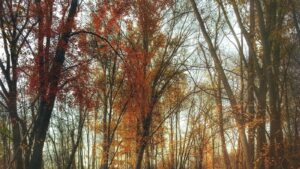
Trees can serve as a natural barrier against light pollution in urban areas. By strategically planting trees, we can help reduce the impacts of artificial light on ecosystems, human health, and wildlife habitats.

Achieving a harmonious balance between tree shade and solar panels is crucial for optimizing energy efficiency. Proper placement and strategic tree planting can help maximize solar panel output while still utilizing the benefits of shade for temperature regulation.

Trees provide shade and release water vapor through a process called transpiration, which cools the surrounding air. This natural air conditioning effect helps to reduce temperatures in urban areas and lower the need for artificial cooling systems.

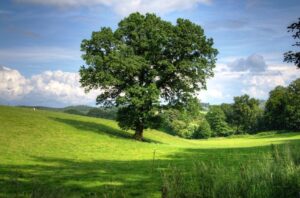
Caring for older, mature trees is essential to maintaining their health and longevity. Regular pruning, proper watering, and mulching can help protect these trees from pests and diseases, ensuring they continue to thrive for years to come.

Trees play a vital role in maintaining water quality. Their roots help prevent erosion, filter out pollutants, and reduce runoff into water sources. Protecting and planting trees can greatly improve water quality in our ecosystems.

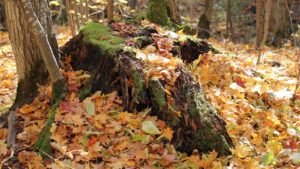
Stump removal can have both environmental benefits and drawbacks. While it can help prevent tree diseases and pests, it can also disrupt soil stability and impact local ecosystems. It is important to weigh the pros and cons before deciding on stump removal.

The use of trees in urban design plays a crucial role in providing shade, improving air quality, and enhancing the overall aesthetics of a city. Properly placed trees can also help reduce urban heat island effect and promote biodiversity within urban environments.

Trees play a crucial role in urban planning by providing numerous benefits such as improving air quality, reducing pollution, regulating temperature, and enhancing aesthetic value. Incorporating trees into urban spaces is essential for creating healthier and more sustainable cities.

Stump removal is a crucial step in landscaping to make way for new growth. Removing old stumps can improve the aesthetics and functionality of outdoor spaces, allowing for new plants and trees to thrive. Find out more about the benefits and methods of stump removal in this article.

Trees play a vital role in water conservation by reducing runoff and soil erosion, while also promoting groundwater recharge. Their canopies help intercept rainfall, and their roots absorb and store water, ultimately benefiting the entire ecosystem.