Pruning Techniques for Fruit-Bearing Trees
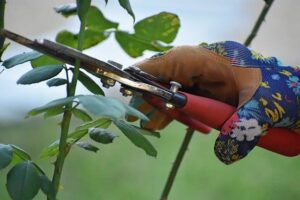
Pruning fruit-bearing trees is essential for optimal fruit production. Proper techniques help maintain tree health, shape, and productivity. Learn the best practices to maximize your harvest.

Pruning fruit-bearing trees is essential for optimal fruit production. Proper techniques help maintain tree health, shape, and productivity. Learn the best practices to maximize your harvest.

Tree removal for disease control is a crucial aspect of maintaining the health of a forest or garden. By removing infected trees promptly, the spread of the disease can be minimized, ultimately protecting the surrounding vegetation.

Stump removal is a common practice after tree cutting, but it can have negative impacts on soil health. The disruption of soil structure and microbial activity can hinder plant growth and nutrient cycling. Maintaining organic matter and considering alternative methods like stump decomposition can help mitigate these effects.

Trees play a crucial role in preventing soil erosion by stabilizing the soil with their roots, reducing water runoff, and acting as a natural barrier against wind and water erosion. Their presence is vital for maintaining soil health and preventing land degradation.

Tree pruning is a crucial aspect of tree maintenance that involves removing specific branches to improve the health and aesthetics of the tree. Through proper pruning, trees can develop strong structures and resistance to disease, ultimately promoting their long-term growth and vitality.

Proper tree pruning offers numerous benefits, such as improved tree health, enhanced aesthetics, and increased safety. By removing dead or overgrown branches, trees can thrive and withstand harsh weather conditions.

Trees provide numerous economic benefits such as reducing energy costs, increasing property values, and boosting tourism revenue. A study by the USDA Forest Service estimated that urban trees in the United States provide $18 billion in annual benefits.

Trees have long been a significant element in landscape art, with artists often using them to enhance the composition and create a sense of depth. From the delicate lines of a birch tree to the majestic presence of an oak, trees add both beauty and symbolism to artistic works.

Tree council permits are essential when conducting work in sensitive areas to protect the environment. Understanding the regulations and guidelines can ensure compliance and minimal environmental impact.

Trees play a crucial role in maintaining soil fertility by improving soil structure, increasing organic matter, and providing essential nutrients. Their roots help prevent erosion and create a favorable environment for beneficial soil microorganisms, ultimately contributing to a healthier ecosystem.