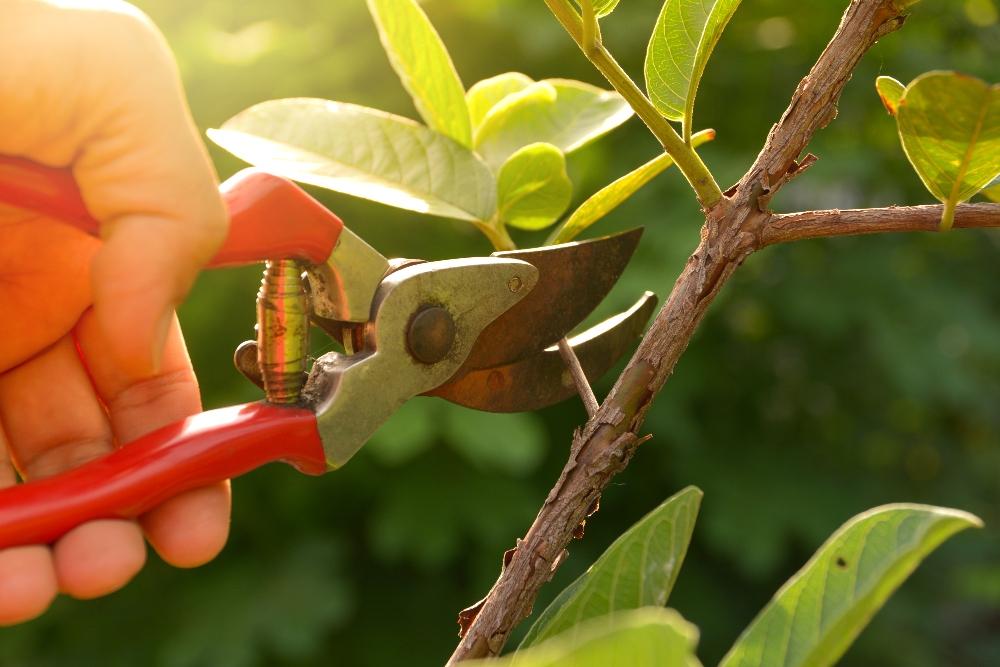
Pruning Trees to Control Growth

Pruning Trees to Control Growth

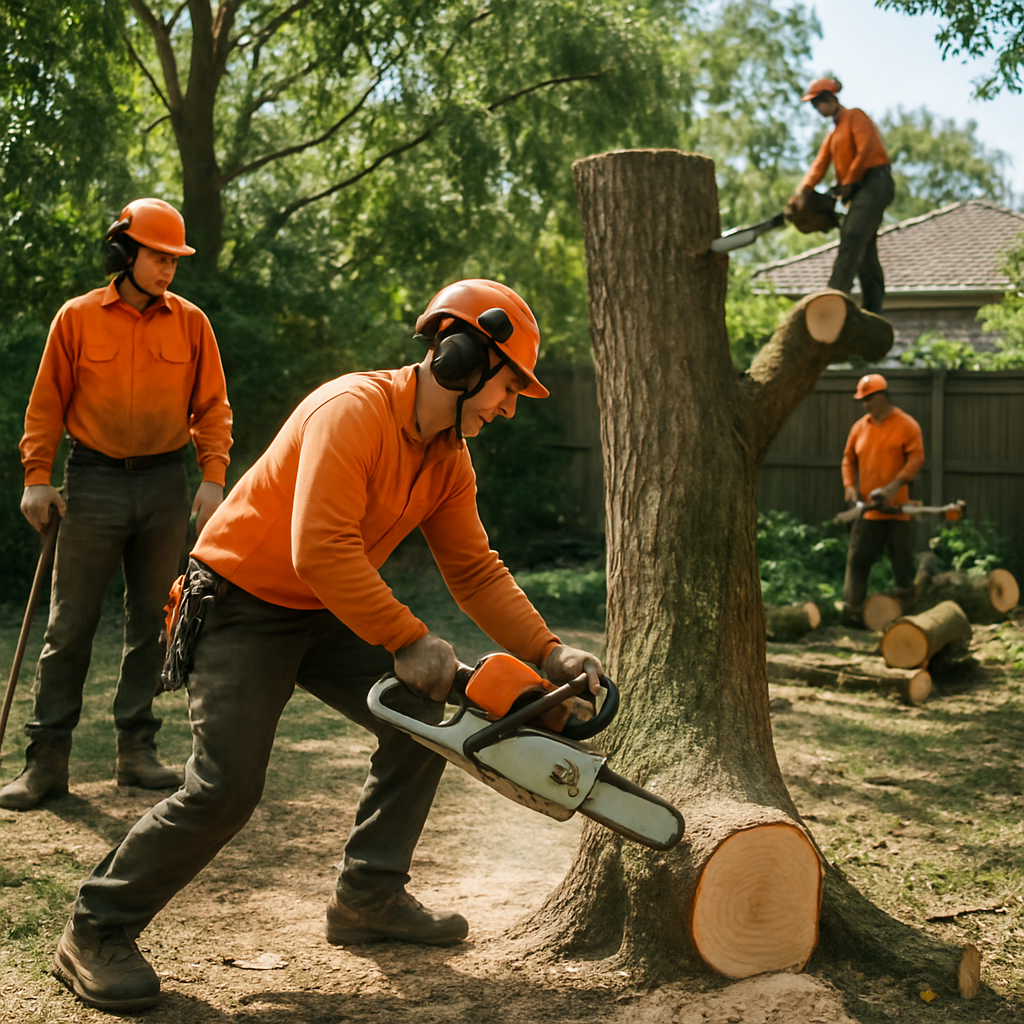
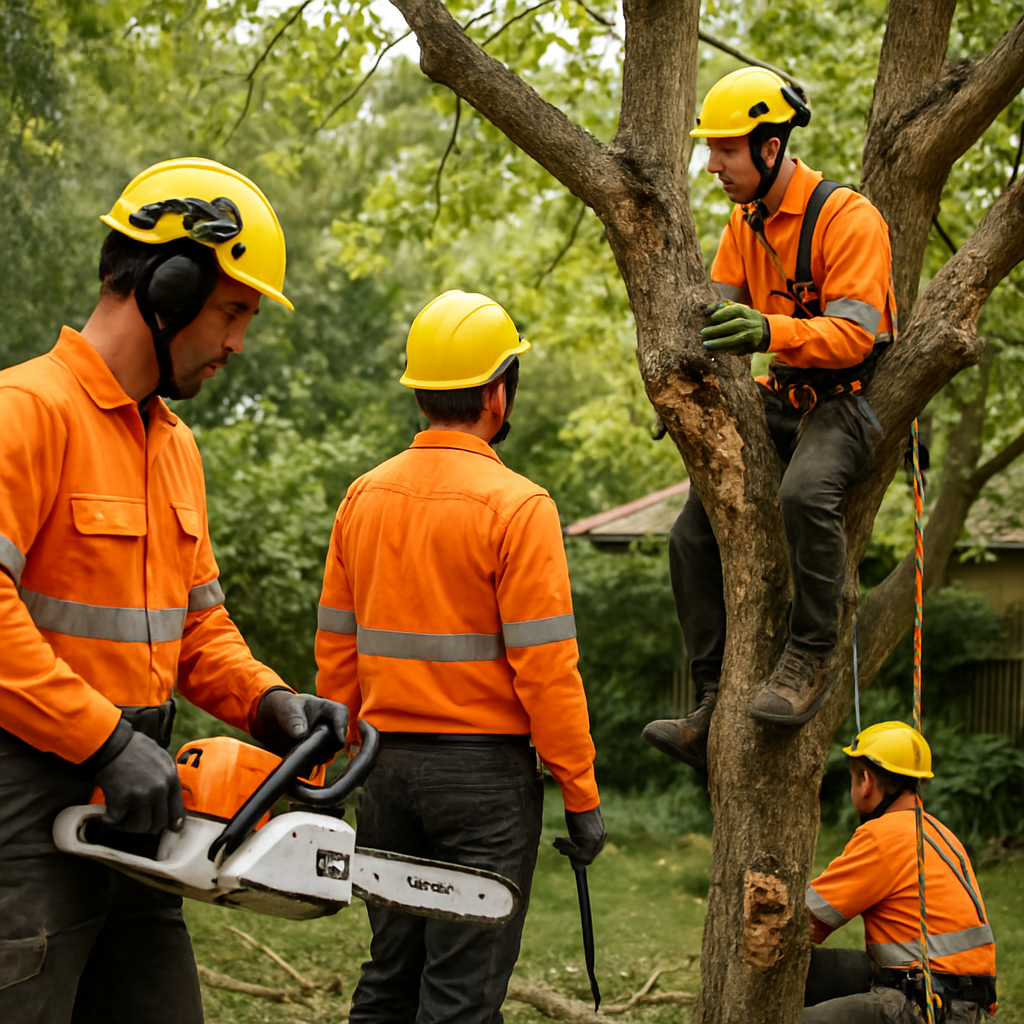
Pruning trees to control⁣ growth‌ is an essential⁢ practice for maintaining ​the health‍ and appearance of your trees. ⁣By selectively removing branches, you can‌ direct the‍ growth of ⁢the tree, improve its ⁤structure, and promote overall vitality. Proper pruning techniques not only ‍help control⁤ the size of the tree but also⁢ ensure optimal wound closure‌ and reduce the risk of disease. Understanding ⁤the importance of pruning and the science ‌behind it⁣ can lead to stronger⁤ and⁣ more resilient trees in your landscape. To achieve the ​best⁤ results, ⁤it’s crucial to⁣ prune at the right time⁢ and in⁢ the right way,​ considering factors like tree ⁣species and ⁣local climate conditions. To learn more about ​the⁣ benefits and methods of pruning for growth​ control, ⁤delve into ‌the⁢ science-based ‌approaches and guidelines ​provided by experts⁣ in the field [1][2][3].

Benefits of Pruning ⁢Trees ​for Growth Control

Pruning trees is essential for maintaining their ⁣shape, health, and overall growth. By⁣ strategically ⁤trimming branches and ‌foliage, you can control the size​ and direction of a tree’s growth. ⁤This ​process ‍helps to promote a strong structure, encourage new growth, and⁣ prevent overcrowding of branches.‌ Additionally, pruning can improve air circulation and sunlight exposure, which are crucial for the tree’s overall health.

Key Techniques for Pruning Trees:

  • Thinning: Removing select branches to‌ allow more light and air to reach‌ the tree’s‍ interior.
  • Heading: Trimming​ the tip of a branch to‍ encourage lateral‍ growth.
  • Deadwooding: Removing dead or diseased branches to prevent the spread of disease.

Best Timing for Pruning to Control Growth:

  • For⁢ most⁤ trees, late⁣ winter or early⁣ spring⁢ is the best time‌ to prune for growth control.
  • Avoid‍ pruning during the fall, ⁤as ⁢it can‌ stimulate new growth that may ⁢be damaged by winter frost.

Common Mistakes to Avoid ⁤When⁢ Pruning for Growth Control:

  • Over-pruning, which can weaken the⁣ tree and ​make⁢ it​ more susceptible to​ disease.
  • Pruning incorrectly, such as⁤ cutting too⁣ close ⁣to the trunk ⁢or leaving stubs.

Choosing ⁢the Right Tools for Pruning Trees:

Tool Use
Pruning⁢ Shears For small branches and precision cuts.
Lopping Shears For thicker branches ​that are out of reach.
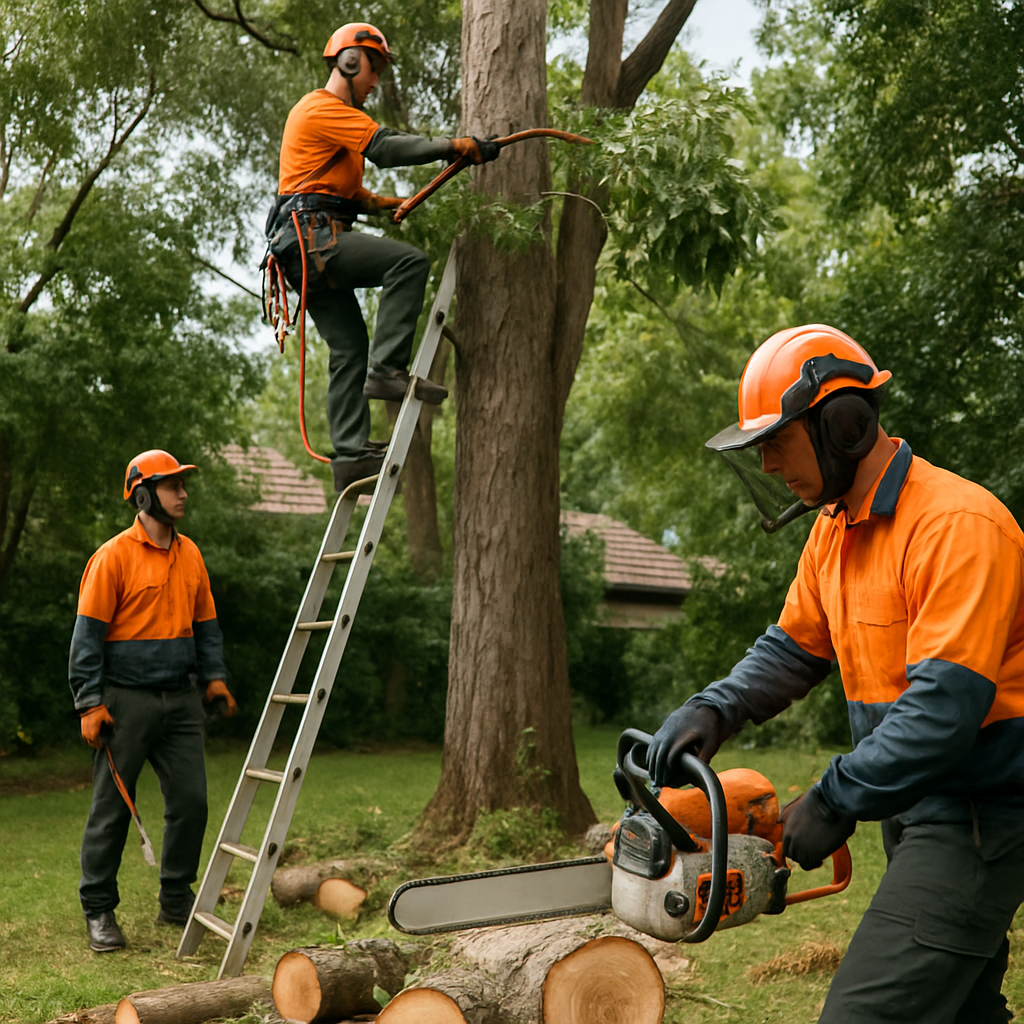
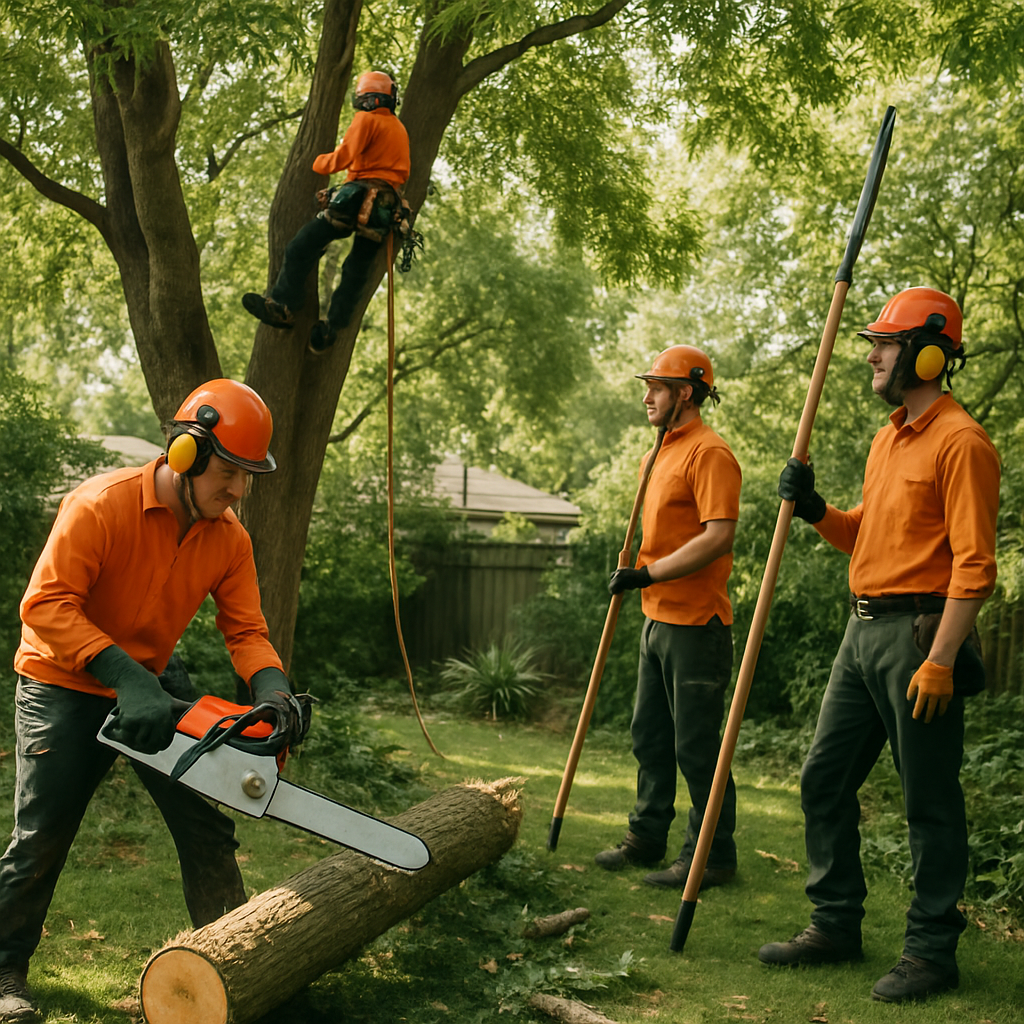
Pole Pruners For trimming high branches without the need for a ladder.

Maintaining Healthy Trees through Regular Pruning:

Regular‍ pruning is key to keeping your trees healthy and strong. By following proper pruning techniques and timing, ​you‍ can control ⁤growth, promote new growth, and prevent‌ disease. Remember ⁤to ⁤always use the⁢ right tools and avoid common mistakes⁢ to ensure your trees thrive​ for years to⁤ come.

Q&A

Q: Why⁣ is pruning ⁤important for ‌controlling‌ the growth of trees?
A: Pruning is essential for controlling the growth of trees because ⁤it helps​ maintain ‌their shape, size, ⁤and overall health. By ⁢selectively removing branches, you⁢ can redirect ⁢growth, promote stronger branch structure, and ⁣prevent limbs from becoming a hazard. Pruning‍ also encourages new growth and can enhance⁢ the aesthetics of‍ the tree.[3]

Q: ‌Does ‍pruning actually stimulate new growth in trees?
A: Yes, ⁢pruning⁣ does stimulate ⁤new growth in trees. ⁢It may seem counterintuitive, but when you ⁢prune a tree, it triggers a response that leads ⁢to the development of ⁣new⁣ shoots and branches.⁤ The more ⁣a plant is pruned, the more extensive its regrowth tends to ⁣be. This regrowth can help‌ rejuvenate the tree and improve its ​overall vitality.[2]

Q: Does pruning trees improve their health?
A: The practice ‌of pruning ‍trees ⁤does‍ not ​necessarily lead to‍ improved tree ​health. While pruning can address structural issues and promote tree longevity, ⁢there is only ‍a tenuous scientific link between‌ pruning and overall tree health improvement.⁢ It is important to ​approach pruning with specific ⁤objectives in mind,‍ such as enhancing tree structure, rather than ‍solely focusing on‍ health benefits.[1]

Conclusion

the practice of⁤ pruning trees to ⁤control growth is essential‌ for maintaining‌ the health and⁢ shape‍ of plants. By understanding the principles of tree​ pruning, such as⁢ making reduction cuts ​and controlling branching, individuals can⁢ effectively manage ​tree growth and prevent conflicts with infrastructure or buildings1. Additionally, proper pruning ⁢techniques can enhance the ⁢regeneration ‌capacity of⁣ plants and influence the contents of metabolites, ultimately‍ contributing to sustainable practices in ​urban settings3. While heavy ‌pruning may ‌have implications on ⁣tree development, strategic pruning⁢ can ⁤lead⁢ to healthier and more aesthetically⁤ pleasing trees. As we continue to prioritize⁤ the maintenance ⁣of trees⁤ through pruning, we can improve our quality of life⁢ and foster a greener environment for generations to‌ come.

References:
1. [1]

2. [2]

3. [3]

Simpsons Tree Services, Servicing Melbourne’s North Eastern Suburbs
Book a quote online at www.simpsonstrees.com.au

xx

Share it :
Scroll to Top