Seasonal tree pruning is an essential aspect of maintaining the health and aesthetics of your trees. Knowing when and how to prune your trees can make a significant difference in their growth and overall well-being. Proper pruning techniques can help promote healthy branch growth, reduce the risk of disease, and enhance the structure of the tree. In this article, we will explore the best practices for seasonal tree pruning and discuss why spring is often considered the optimal time for this important task. From understanding the importance of making proper pruning cuts[1] to learning about the benefits of pruning in the spring[2], this guide will provide valuable insights into shaping the future of your trees through effective pruning techniques[3].
When it comes to seasonal tree pruning, timing is crucial to ensure the health and growth of your trees throughout the year. Understanding the different seasons for tree pruning can help you make informed decisions on when and how to trim your trees effectively.
Pruning Techniques for Winter Tree Care
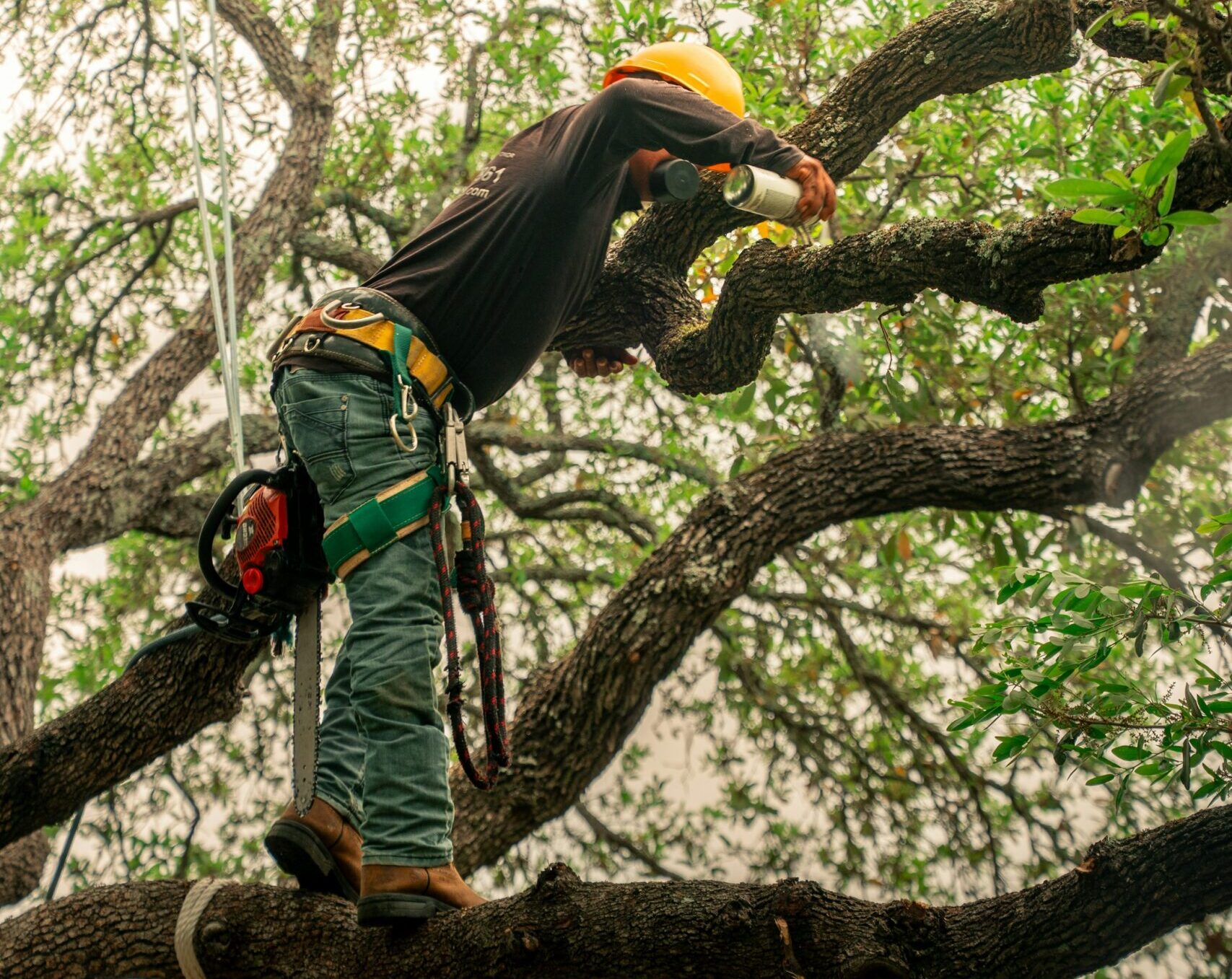
In winter, trees are dormant, making it the ideal time for pruning as they are less prone to diseases and pests. When pruning during winter, focus on removing dead or damaged branches to promote new growth in the spring. Use clean, sharp tools to make clean cuts that will heal quickly.
Spring Pruning: Tips and Best Practices
As trees begin to wake up from dormancy in spring, it’s important to prune before new growth starts. Trim any remaining dead branches and shape the tree for the upcoming growth season. Avoid heavy pruning in spring to prevent stress on the tree.
Summer Pruning: Avoiding Potential Risks
Summer pruning should be minimal and focused on removing any hazardous branches that could pose a risk to people or property. Avoid extensive pruning during the summer months as it can leave trees vulnerable to sunburn and stress.
Fall Pruning: Preparing Trees for Winter
In fall, focus on preparing trees for winter by removing any dead or diseased branches. Prune lightly to maintain the tree’s shape and structure. Avoid heavy pruning in fall as it can make trees more susceptible to winter damage.
Q&A
Q: When is the best time to prune trees?
A: Arborists generally agree that the best time to prune a tree is typically in the winter after the tree has gone dormant[3]. However, it’s essential to note that the optimal timing may vary depending on the specific tree species and the goals of pruning.
Q: How should trees be pruned?
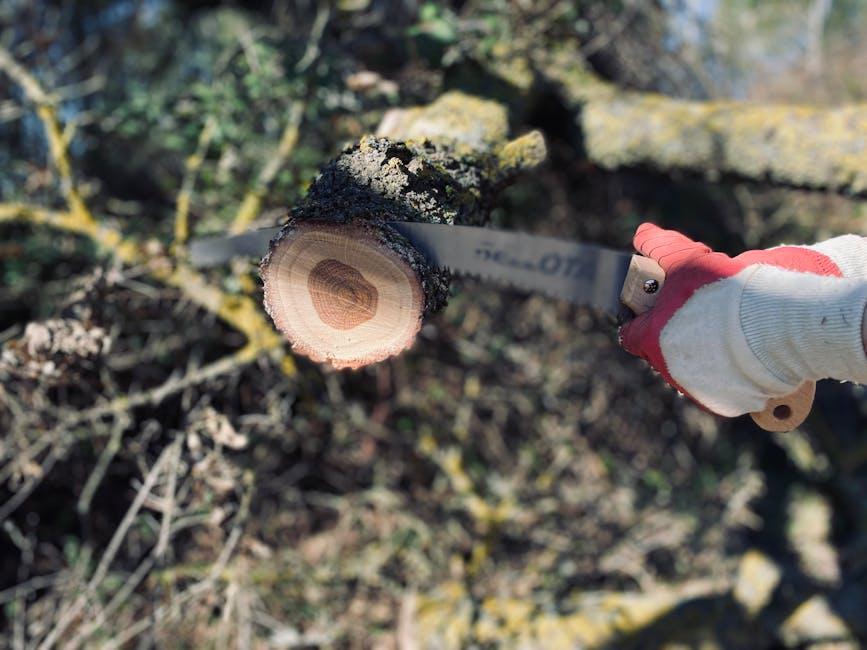
A: When pruning trees, it is recommended to prune to shape young trees without cutting back the leader and to remove crossing branches and branches that grow back towards the center of the tree[1]. Additionally, growth and wound closure are maximized if pruning takes place before the spring growth flush, and heavy pruning of live tissue just after the spring is not advisable[2]. Following these guidelines can help promote the health and structural integrity of trees.
Conclusion
proper tree pruning is essential for maintaining the health and appearance of your trees. By understanding when and how to prune your trees according to the season, you can promote healthy growth, prevent disease, and enhance the overall aesthetic of your landscape. Remember to consider the specific needs of each tree species and consult with a professional if you’re unsure about the best pruning practices. For more information on tree pruning techniques and timing, refer to the resources provided in this article.[1][2][3]
Simpsons Tree Services, Servicing Melbourne’s North Eastern Suburbs
Book a quote online at www.simpsonstrees.com.au