Introduction:
Ecosystem restoration is a vital process aimed at rehabilitating and revitalizing ecosystems that have been degraded or damaged by human activities. While initiatives such as tree planting and forest protection are commonly associated with restoration efforts, the role of tree removal in ecosystem restoration is often overlooked. Understanding the importance of tree removal in this context is crucial for achieving successful restoration outcomes.
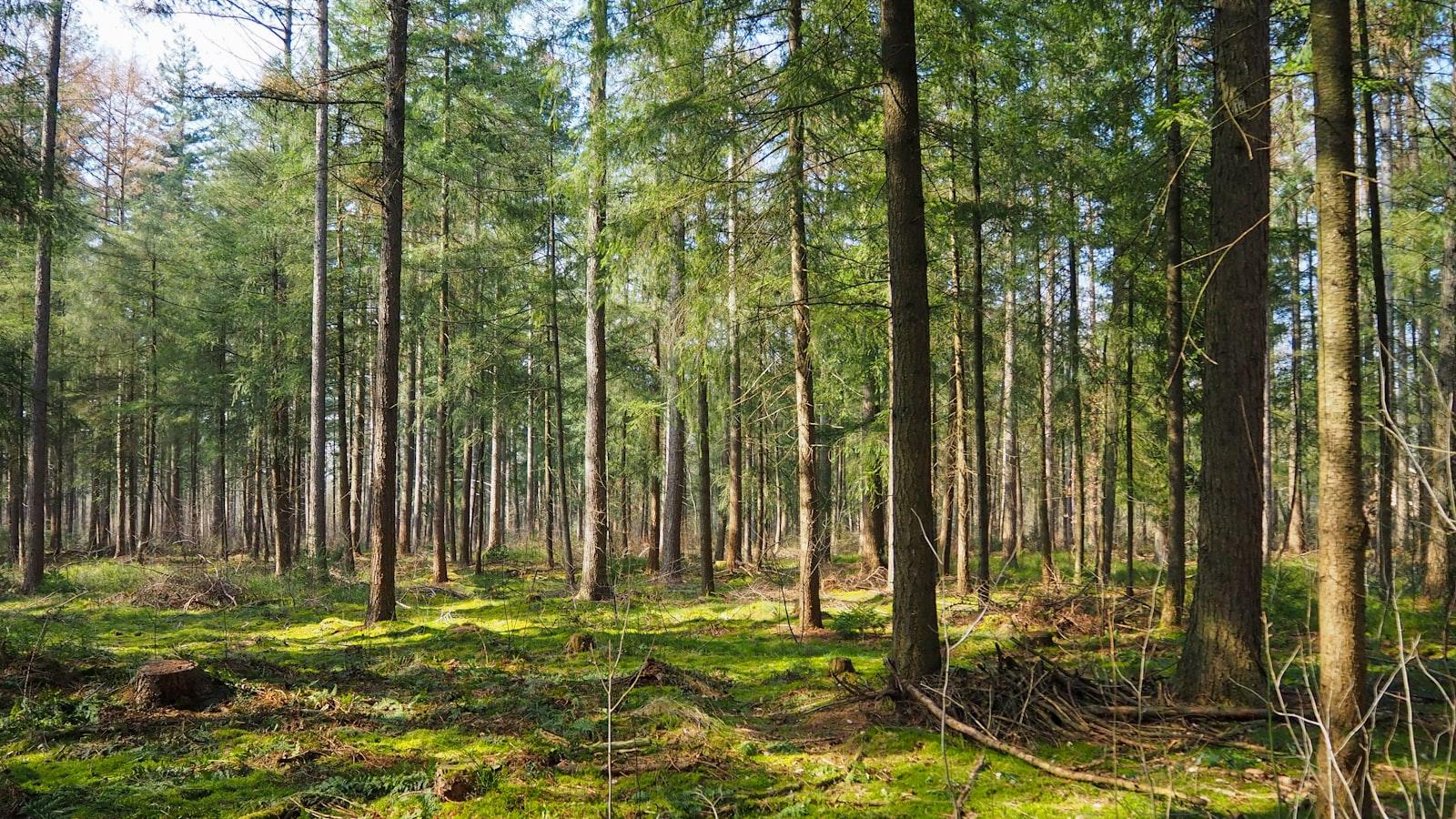
Recent studies have highlighted the significance of tree removal as a key aspect of ecosystem restoration, particularly in tropical regions where deforestation has had severe environmental impacts. Forest restoration projects focus on reinstating tree cover to mitigate the damage caused by human activities and promote biodiversity and ecosystem services[3]. By exploring the implications of tree removal within the broader framework of restoration efforts, we can better comprehend the complex dynamics involved in restoring ecosystems to their natural state.
Furthermore, trees play a crucial role in supporting livable and sustainable communities, offering various ecosystem services essential for urban environments. These services range from reducing energy use to removing pollution, demonstrating the multifaceted benefits that trees provide in supporting healthy ecosystems[1]. Acknowledging the importance of tree removal in ecosystem restoration is essential for promoting resilient landscapes and addressing the ecological challenges facing our planet today.
In this article, we will delve into the role of tree removal in ecosystem restoration, exploring its implications, challenges, and potential benefits. By recognizing the significance of tree removal as a nuanced aspect of restoration practices, we can enhance our understanding of how to effectively restore and conserve ecosystems for future generations.
When it comes to ecosystem restoration, tree removal plays a crucial role in creating space for native species to flourish. By eliminating non-native trees that have taken over a particular area, we can provide room for indigenous plants and animals to thrive. This process helps to restore the natural balance of the ecosystem and promotes biodiversity.
Additionally, tree removal is essential for mitigating the impact of invasive species on the environment. Invasive trees can outcompete native species for resources, disrupt the food chain, and alter the ecosystem dynamics. By removing these invasive trees, we can prevent further damage and help restore the ecosystem to its original state.
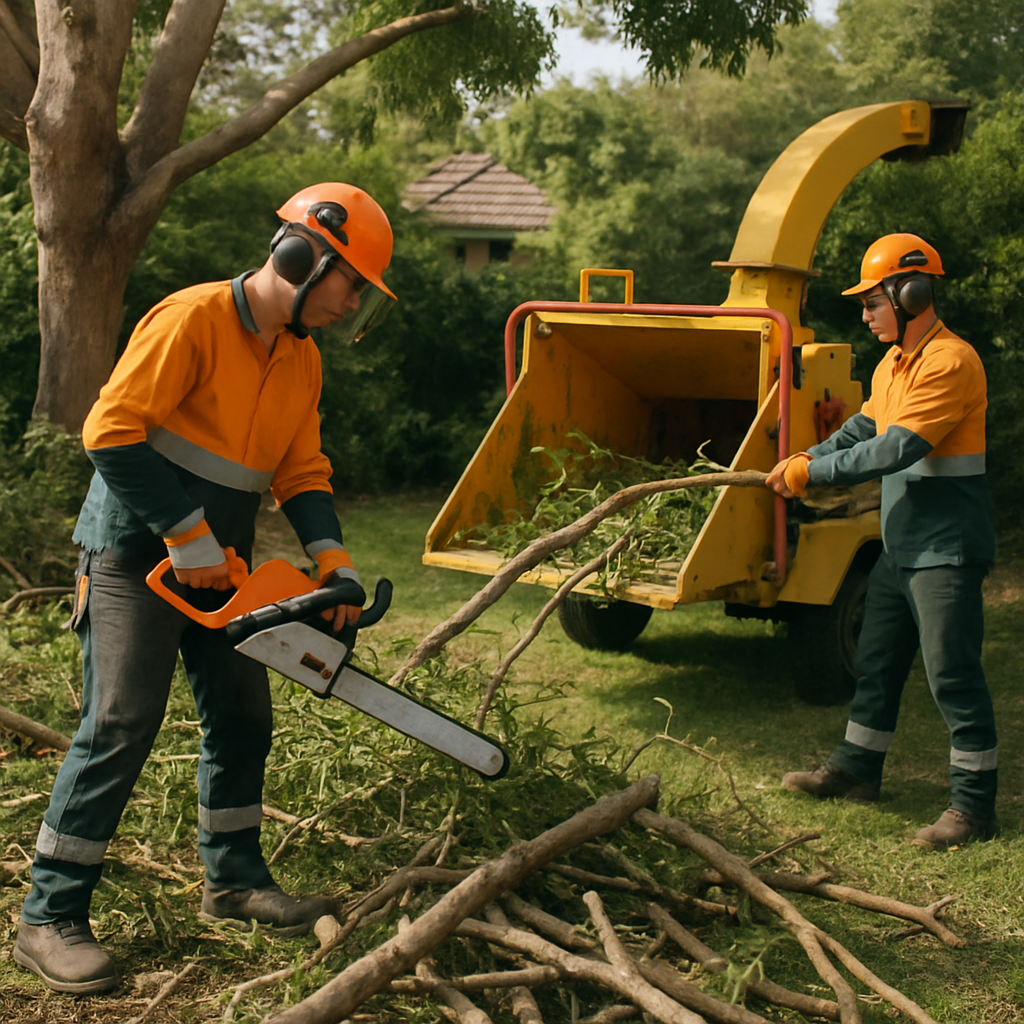
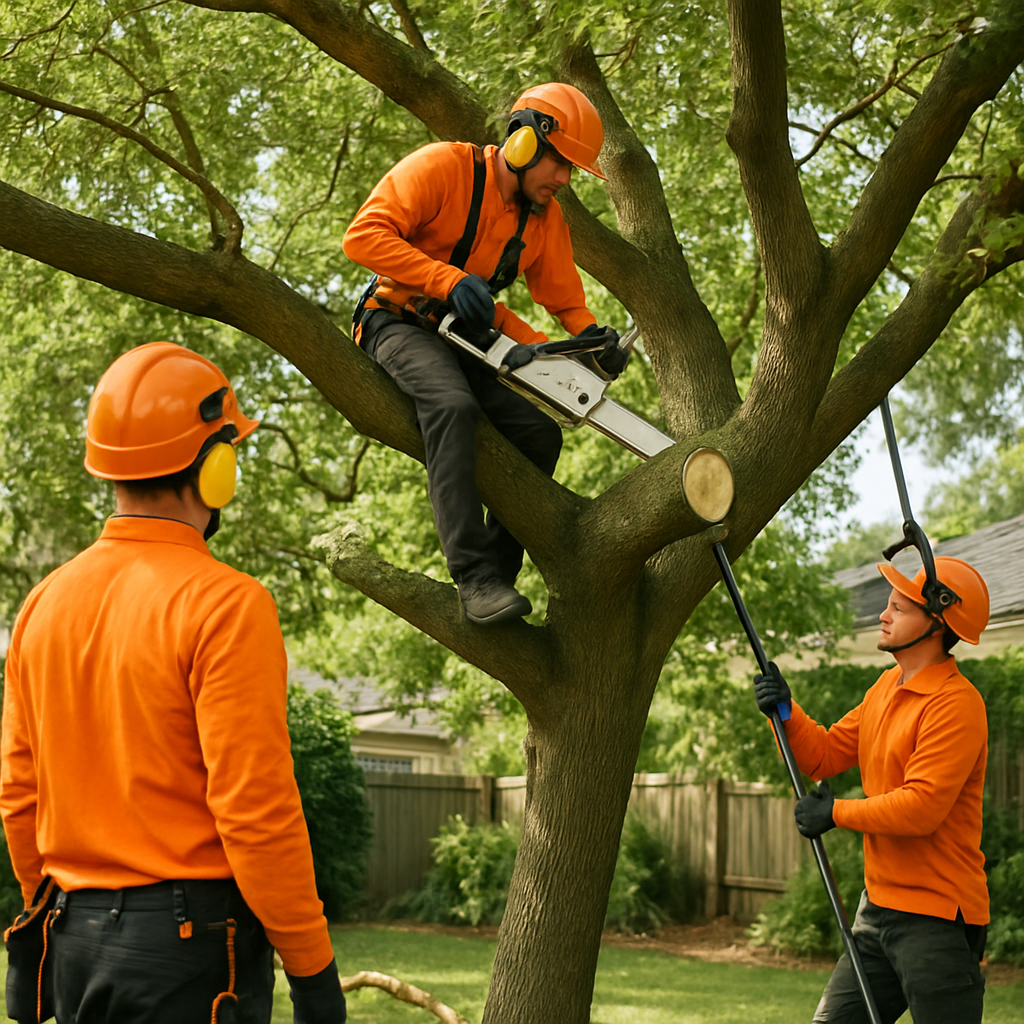
It is important to balance human needs with ecological preservation when conducting tree removal in restoration projects. Sustainable practices should be employed to minimize the environmental impact of the removal process. This includes using environmentally friendly equipment, replanting native trees, and monitoring the progress of the restoration project to ensure long-term success.
Q&A
Q: What is the importance of tree removal in ecosystem restoration?
A: Tree removal is crucial in ecosystem restoration to remove invasive species, create space for native plant growth, and promote overall biodiversity.
Q: How does tree removal impact the ecosystem?
A: Tree removal can have both positive and negative impacts on the ecosystem. It can help restore balance and health to an ecosystem by removing invasive species, but it can also disrupt habitats and wildlife populations.
Q: What methods are used for tree removal in ecosystem restoration projects?
A: Various methods such as selective logging, prescribed burns, and mechanical removal are used for tree removal in ecosystem restoration projects. The choice of method depends on the specific goals of the restoration project.
Q: What are some challenges faced in tree removal for ecosystem restoration?
A: Some challenges include balancing the removal of invasive species with the preservation of native species, minimizing environmental damage during the removal process, and ensuring that the removal does not negatively impact wildlife populations.
Q: How can communities get involved in tree removal for ecosystem restoration?
A: Communities can get involved in tree removal for ecosystem restoration by volunteering for restoration projects, advocating for funding and support for restoration efforts, and participating in educational programs on the importance of ecosystem restoration.
Conclusion
In conclusion, while tree removal may seem counterintuitive to ecosystem restoration, it is a vital and necessary step in many restoration projects. By strategically removing certain trees, we can create space for native vegetation to thrive, improve biodiversity, and enhance overall ecosystem health. It is important to remember that tree removal should always be done thoughtfully and with careful consideration of the long-term impacts on the environment. By understanding the role of tree removal in ecosystem restoration, we can work towards creating healthier and more resilient ecosystems for future generations to enjoy.
Simpsons Tree Services, Servicing Melbourne’s North Eastern Suburbs
Book a quote online at www.simpsonstrees.com.au