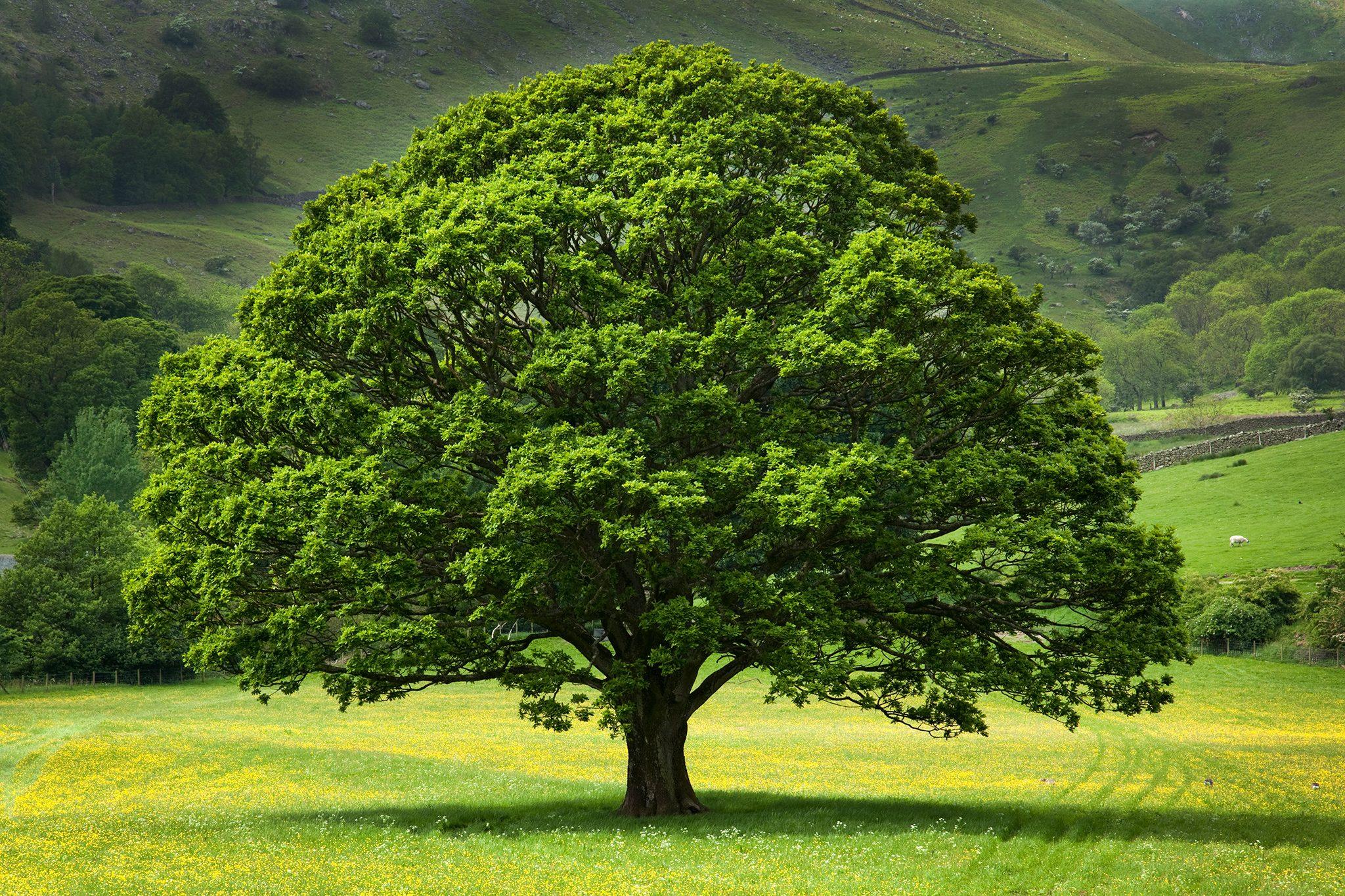
Trees play a vital role in our environment, providing oxygen, shade, and beautifying our landscapes. However, like any living organism, trees can also face threats from diseases, pests, and structural issues. Tree inspection and assessment are essential practices to ensure the health and safety of our trees. In this article, we will explore the importance of tree inspection and assessment, as well as the methods and techniques used in this crucial process.
Proper tree inspection and assessment are crucial for maintaining the health and longevity of trees in urban and natural environments. By identifying common tree health issues, arborists can address problems early on and prevent further damage. Methods for conducting effective tree inspection include visual assessments, soil analysis, and tree health monitoring.
Utilizing technology in tree assessment can enhance the accuracy and efficiency of inspections. Tools such as drones, tree health monitoring apps, and GIS mapping software can provide valuable data to arborists. By developing a tree care plan based on inspection findings, arborists can prioritize maintenance tasks and create a schedule for tree care.
| Common Tree Health Issues | Prevention Methods |
|---|---|
| Pests and diseases | Regular inspections and treatments |
| Structural issues | Pruning and cabling |
| Environmental stress | Proper watering and fertilization |
Q&A
Q: Why is tree inspection and assessment important?
A: Tree inspection and assessment is important to identify potential hazards, diagnose diseases, and ensure the overall health and stability of trees.
Q: How often should tree inspections be conducted?
A: Tree inspections should be conducted at least once a year, but more frequent inspections may be necessary for high-risk trees or in areas prone to severe weather.
Q: What are some signs that a tree may be in need of inspection?
A: Signs that a tree may be in need of inspection include leaning, cracked bark, dead branches, signs of decay, and changes in leaf color or size.
Q: What qualifications should a tree inspector have?
A: A qualified tree inspector should have certification from a professional arboriculture organization, experience in tree care and maintenance, and knowledge of tree species and diseases.
Q: What are some common methods used to assess tree health and stability?
A: Common methods for assessing tree health and stability include visual inspections, root collar excavations, resistograph testing, and sonic tomography.
Q: What should be done if a tree is found to be diseased or unstable?
A: If a tree is found to be diseased or unstable, a certified arborist should be consulted to determine the best course of action, which may include pruning, pest control, cabling, or tree removal.
Conclusion
conducting regular tree inspections and assessments is crucial for maintaining the health and safety of trees on your property. By identifying potential issues early on, you can prevent any accidents or damage that may occur. Remember to hire a certified arborist for a professional evaluation and follow their recommendations for proper tree care. Stay vigilant and proactive in caring for your trees to ensure their longevity and continued beauty in your outdoor environment. Thank you for reading.
Simpsons Tree Services, Servicing Melbourne’s North Eastern Suburbs
Book a quote online at www.simpsonstrees.com.au