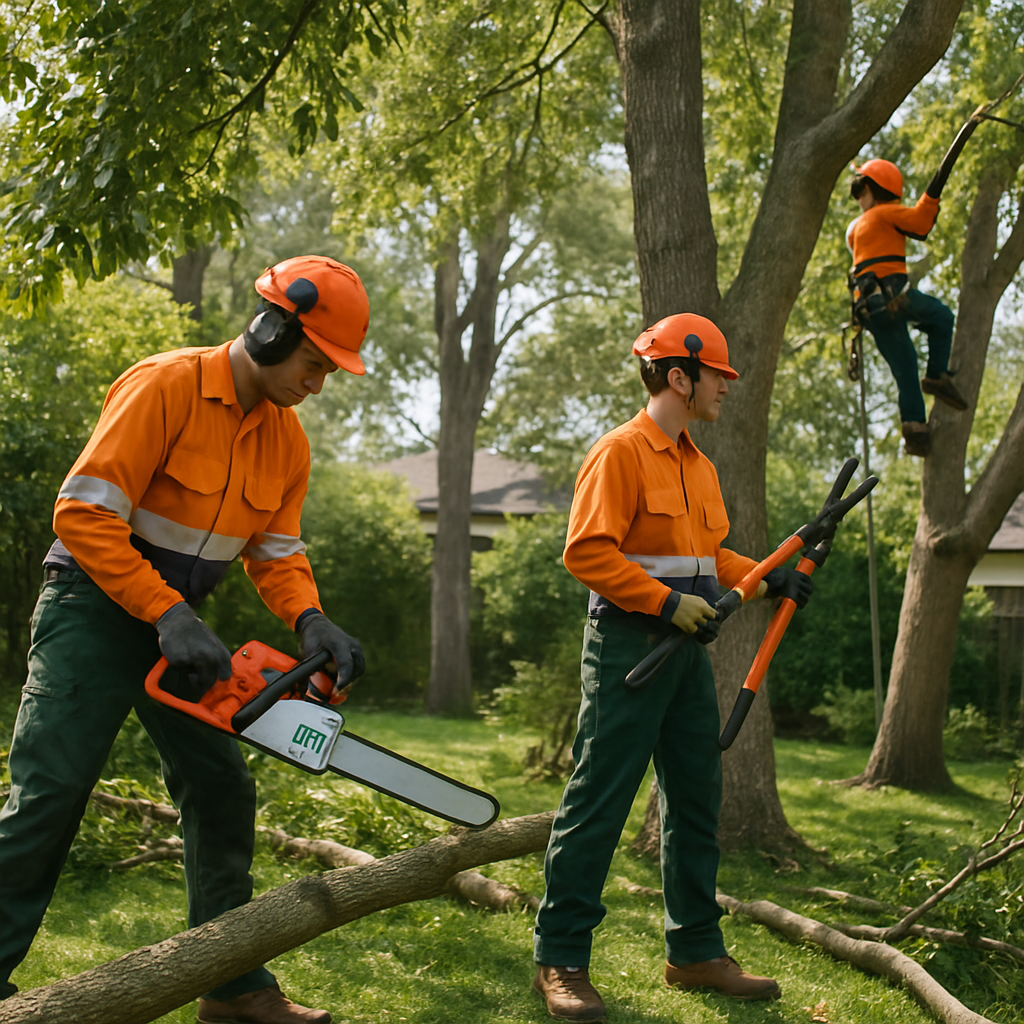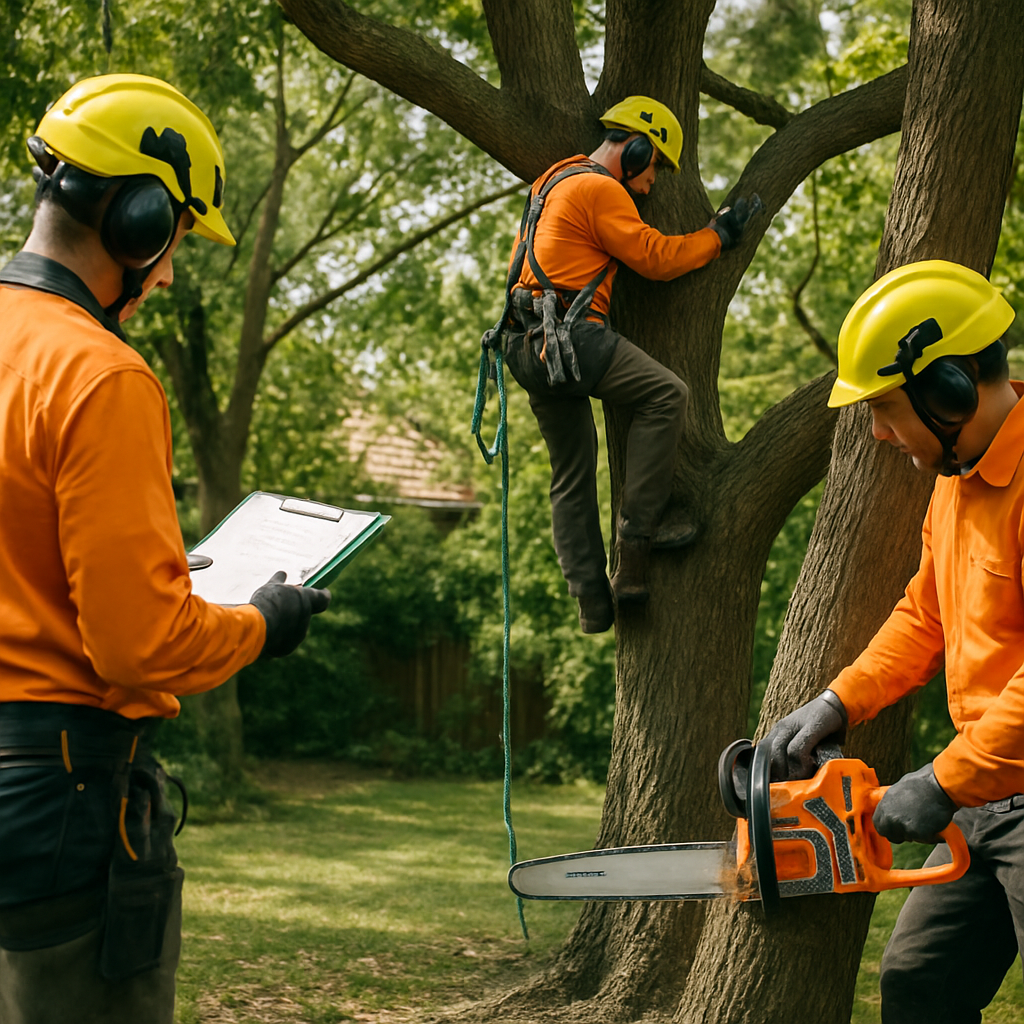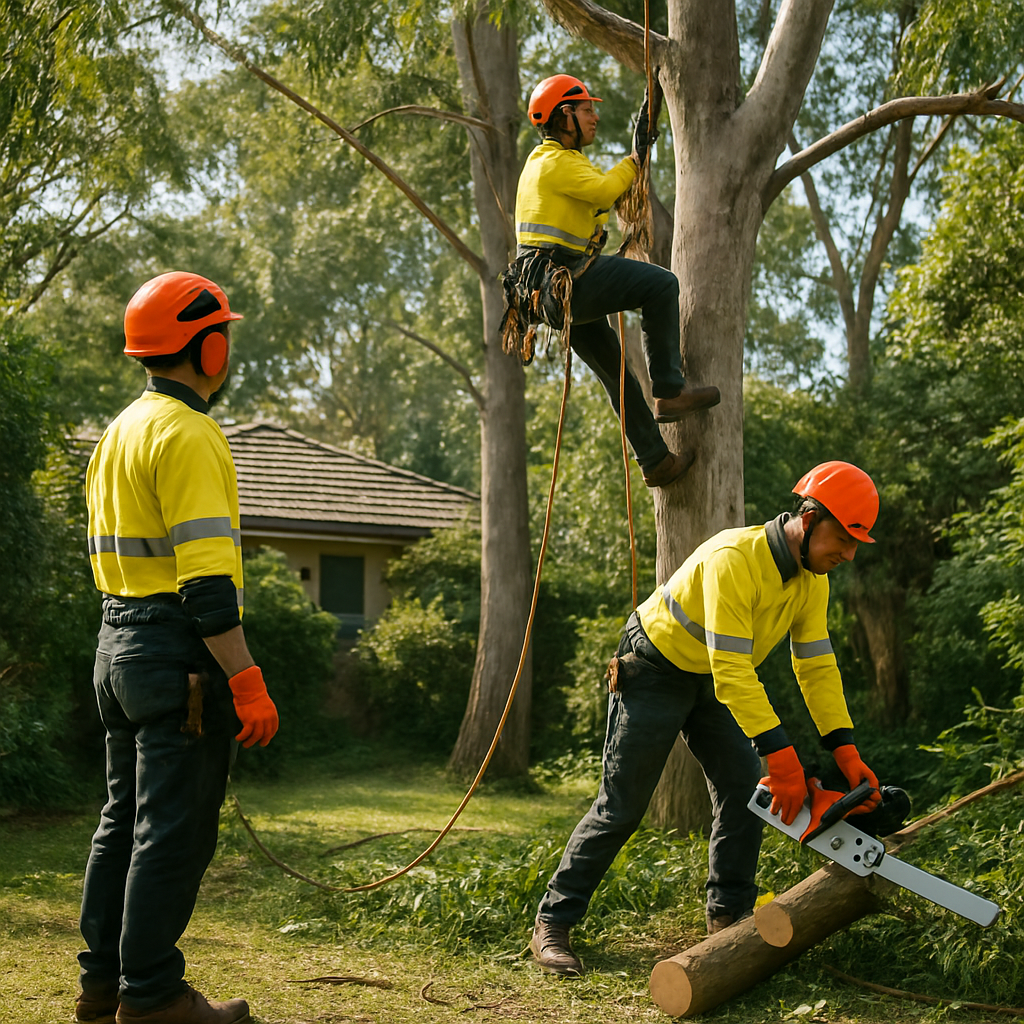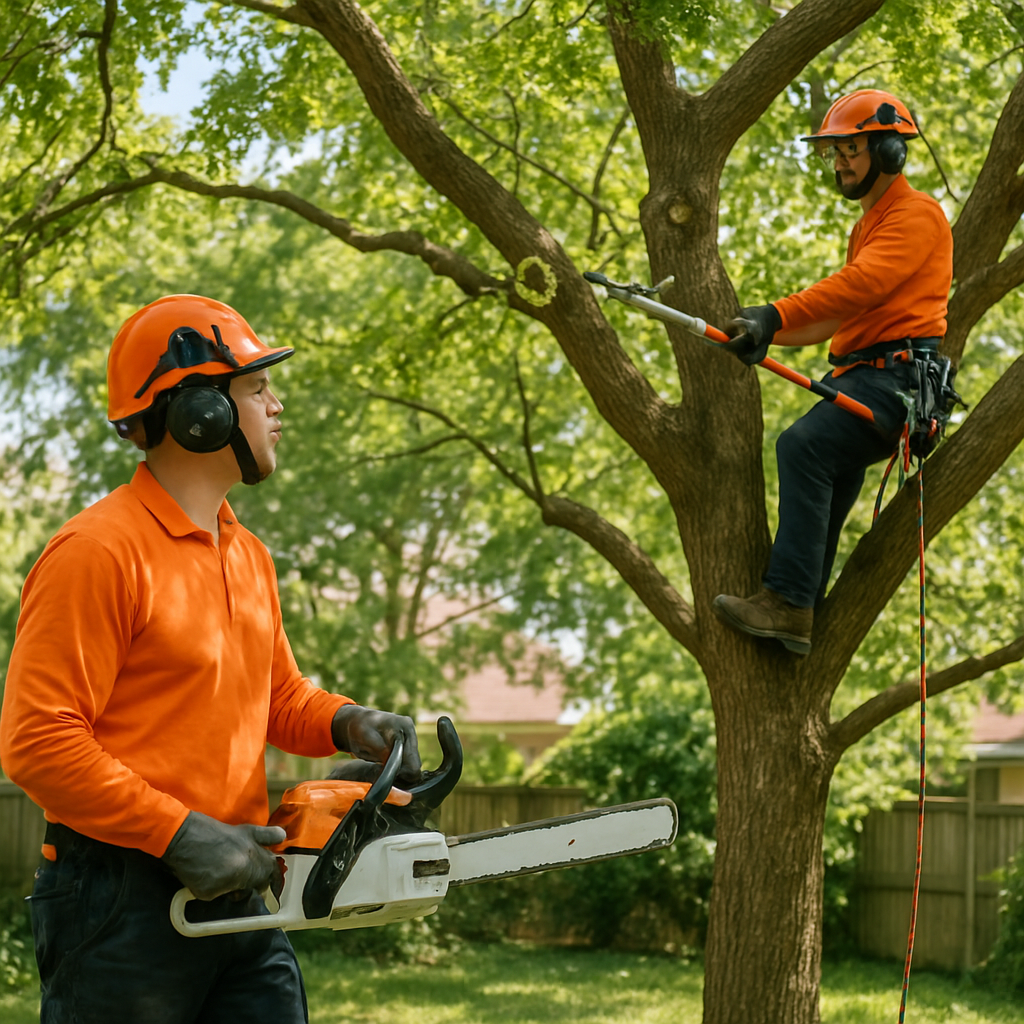
In our modern urbanized environments, the management of trees and wildlife coexistence has become a crucial aspect of sustainable development. The delicate balance between tree removal activities and the preservation of wildlife habitats presents a significant challenge for arborists, urban foresters, and land managers alike. Arboriculture, focused on the care and maintenance of individual trees in urban settings, plays a vital role in shaping the landscape [1]. However, the removal, relocation, and replacement of trees must be carefully executed to minimize the impact on wildlife habitats [2]. The influence of land management practices, such as continuous cropping and tree farming, also plays a significant role in shaping the interactions between tree removal and wildlife conservation [3]. In this article, we delve into the complexities of finding a balance between tree removal and wildlife preservation to promote sustainable urban ecosystems.
When trees are removed, the impact on wildlife can be significant. It disrupts the natural habitat of various animal species, including birds, squirrels, and insects. Without proper consideration, tree removal can lead to a loss of nesting sites, food sources, and protective cover for these creatures.
To mitigate the disruption caused by tree removal, it is crucial to conserve wildlife habitats. This can involve implementing strategies such as retaining some trees or planting new ones in the area. By preserving a portion of the original habitat, we can help maintain the biodiversity of the ecosystem and support the wildlife that call it home.
- Minimize clearing of old-growth trees
- Leave dead or decaying trees standing for wildlife habitat
- Consult with wildlife experts before starting tree removal projects
Q&A
Q: What are some of the key considerations when it comes to balancing tree removal and wildlife conservation?
A: When balancing tree removal and wildlife conservation, it is essential to consider the impact on wildlife habitats. Trees provide homes for many animals, particularly birds, and removing trees can displace these species[2]. Additionally, tree-tree interactions in forests play a significant role in ecosystem functions, highlighting the importance of maintaining a balance between tree removal and wildlife preservation[1].
Q: How can tree removal affect biodiversity and ecosystem services?
A: Tree removal can have both positive and negative impacts on biodiversity and ecosystem services. While removing trees may result in the displacement of certain wildlife species, it can also open up opportunities for new habitats to form and foster biodiversity[2]. However, it is crucial to carefully assess the pros and cons of tree removal to ensure the preservation of essential ecosystem services provided by forests[1].
Q: What are some advantages and disadvantages of tree removal in relation to wildlife conservation?
A: The advantages of tree removal include creating opportunities for new habitats to form, potentially leading to increased biodiversity[2]. On the other hand, tree removal can result in the disruption of wildlife habitats and essential ecosystem functions, underscoring the need to carefully weigh the benefits and drawbacks of tree removal practices[3].
Conclusion
finding a balance between tree removal and wildlife is crucial for maintaining ecosystem health and biodiversity. Understanding the environmental impacts of tree removal, such as habitat loss and disruption of animal populations, is essential in making informed decisions. By recognizing the importance of both property safety and ecosystem preservation, we can work towards sustainable practices that mitigate the negative effects of tree removal on wildlife. Remember, forests play a vital role in supporting a variety of species and mitigating climate change, making it important to carefully consider the implications of tree removal on the environment. For more in-depth information on this topic, you can explore the environmental benefits of reforestation[1], the impact of tree removal on ecosystems[2], and the delicate balance between humans and nature in logging practices[3]. Let’s continue to strive for harmony between human activities and wildlife preservation to ensure a sustainable future for all.
Simpsons Tree Services, Servicing Melbourne’s North Eastern Suburbs
Book a quote online at www.simpsonstrees.com.au