
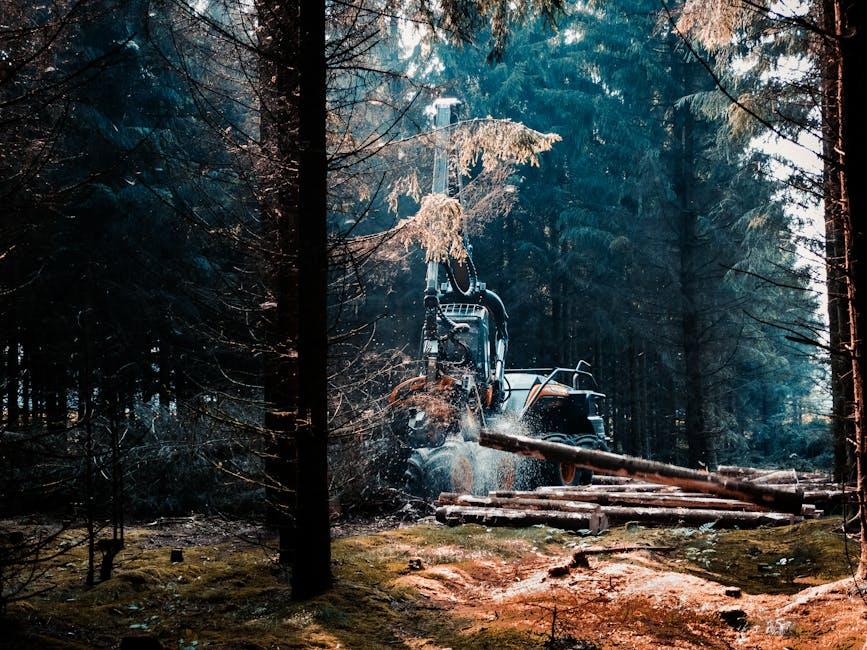
Introduction:
Tree removal in residential areas is a topic that often sparks debate among homeowners, environmentalists, and local authorities. Understanding the process, regulations, and implications of tree removal is essential for anyone considering or facing the need to remove trees on their property. In this article, we will delve into the various aspects of tree removal in residential areas, including the benefits, policies, and considerations involved in this practice. From expediting approval processes to weighing the pros and cons, we aim to provide you with a comprehensive guide on what you need to know about tree removal in residential areas.
—
Would you like help with anything else?
When considering tree removal in residential areas, it is crucial to understand the importance of obtaining the necessary permits before initiating any removal process. Without the required permits, you may face legal consequences and fines. Assessing the condition of the tree, obtaining the mandatory permits as per local regulations[1], ensuring compliance with landscape codes regarding the number of trees on your property[2], and recognizing the responsibilities of the property owner in the permitting process[3] are all vital factors to consider before proceeding with tree removal.
Hiring professional tree removal services can provide numerous benefits, such as ensuring the safe and efficient removal of trees, minimizing property damage, and receiving expert advice on tree care and maintenance. Professionals have the necessary equipment and expertise to handle tree removal tasks effectively, reducing risks associated with DIY removal attempts. Additionally, professional services can help mitigate potential hazards during the removal process and enhance the overall safety of your property.
- Factors to Consider Before Removing Trees on Your Property:
- Assess the tree’s condition
- Obtain required permits
- Check compliance with landscape codes
| Permitting Entity | Responsibility |
|---|---|
| Local Regulations | Property Owner |
During the tree removal process, it is essential to take precautions to prevent accidents, protect nearby structures, and minimize environmental impact. Being mindful of safety procedures, utilizing proper equipment, and following recommended guidelines can help ensure a smooth and safe tree removal experience. Moreover, understanding the environmental impact of tree removal in residential areas and implementing strategies to mitigate any adverse effects can contribute to preserving the ecological balance within the neighborhood.
For long-term tree health and safety in your neighborhood, it is advisable to maintain regular tree care routines, including pruning, pest control, and overall monitoring of tree conditions. By proactively addressing tree health issues, property owners can promote a healthy and sustainable environment, enhance property aesthetics, and contribute to the well-being of the community.
- Recommendations for Maintaining Tree Health and Safety in Your Neighborhood:
- Regular tree care and maintenance
- Monitoring tree health
Q&A
Q: What are some critical questions to ask a tree removal company before hiring them?
A: Before hiring a tree removal company, it is crucial to ask the following questions to ensure a smooth and successful process:
1. Do you have the proper insurance and can you provide a certificate? It is essential to confirm that the company has adequate insurance coverage to protect you and them in case of any accidents or damages during the tree removal process[1].
2. Do you use proper equipment and techniques for tree removal? Inquiring about the tools and techniques they use will give you an idea of their expertise and how they approach tree removal.
3. Can you provide references or testimonials from previous clients? Asking for references allows you to gauge the company’s reputation and the quality of their work.
Q: What is the process of tree removal in residential areas?
A: The process of tree removal in residential areas typically involves several steps to ensure safety and efficiency:
1. Assessment: The tree removal company will assess the tree’s health, size, and location before determining the best approach for removal.
2. Obtaining permits: In some areas, you may need to obtain permits before removing a tree, especially if it is large or protected.
3. Tree removal: The company will use specialized equipment to safely cut down the tree in sections to avoid damage to property or surrounding trees.
4. Cleanup: Once the tree is removed, the company will clean up the debris and branches to leave the area in good condition[2].
Q: What are my rights regarding a neighbor’s tree branches encroaching on my property?
A: If your neighbor’s tree branches hang over your yard, you have the right to trim them up to the property line. However, it is advisable to inform your neighbor before trimming the branches to maintain a good relationship. Legally, you are allowed to trim branches and limbs that extend past the property line, but you cannot enter your neighbor’s property without permission[3].
Conclusion
understanding the essential aspects of tree removal in residential areas is crucial for homeowners and property managers. By being aware of regulations, safety considerations, and best practices, you can ensure that tree removal processes are carried out effectively and responsibly. Remember that consulting with professionals is always advisable to guarantee the proper handling of tree removal tasks. For further information on this topic, feel free to refer to reputable sources such as the AMA Manual of Style[2] for guidelines on writing and referencing, which can be useful when discussing technical subjects like this.
Simpsons Tree Services, Servicing Melbourne’s North Eastern Suburbs
Book a quote online at www.simpsonstrees.com.au