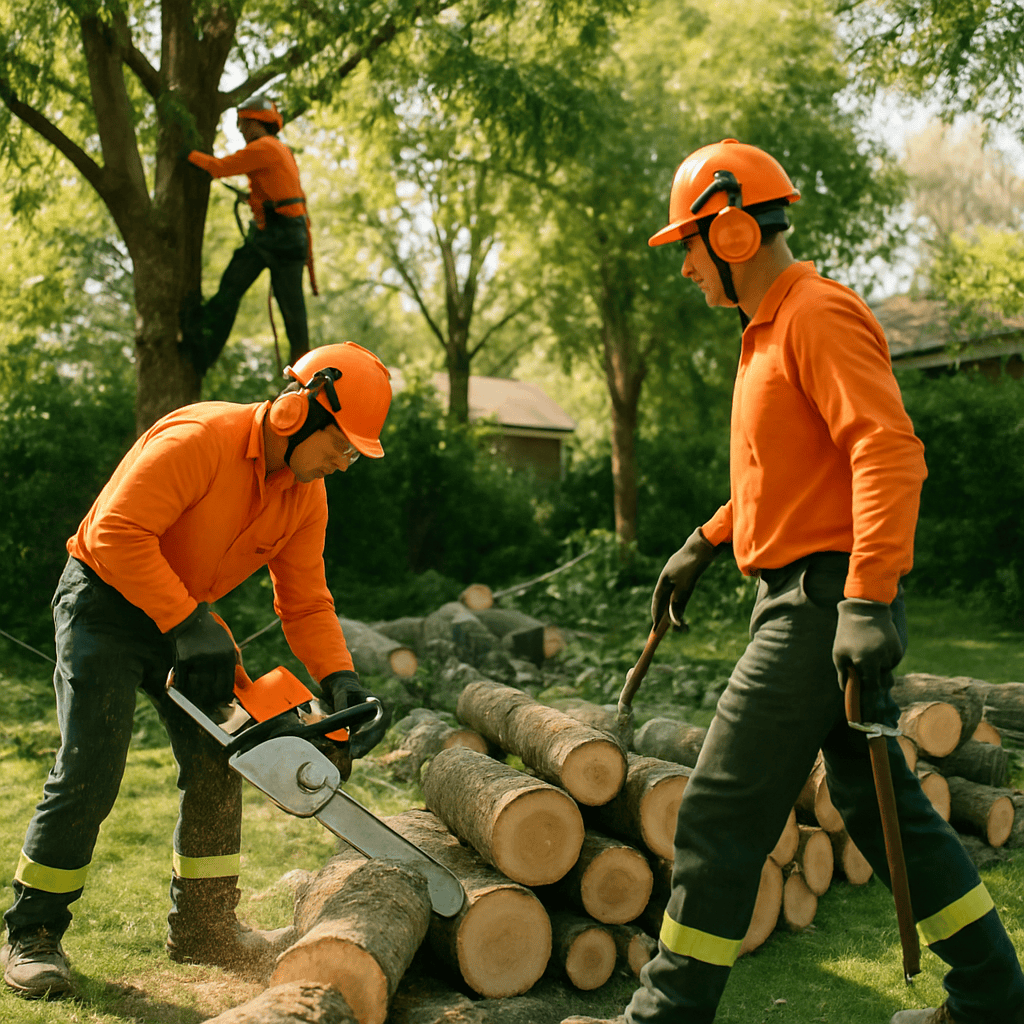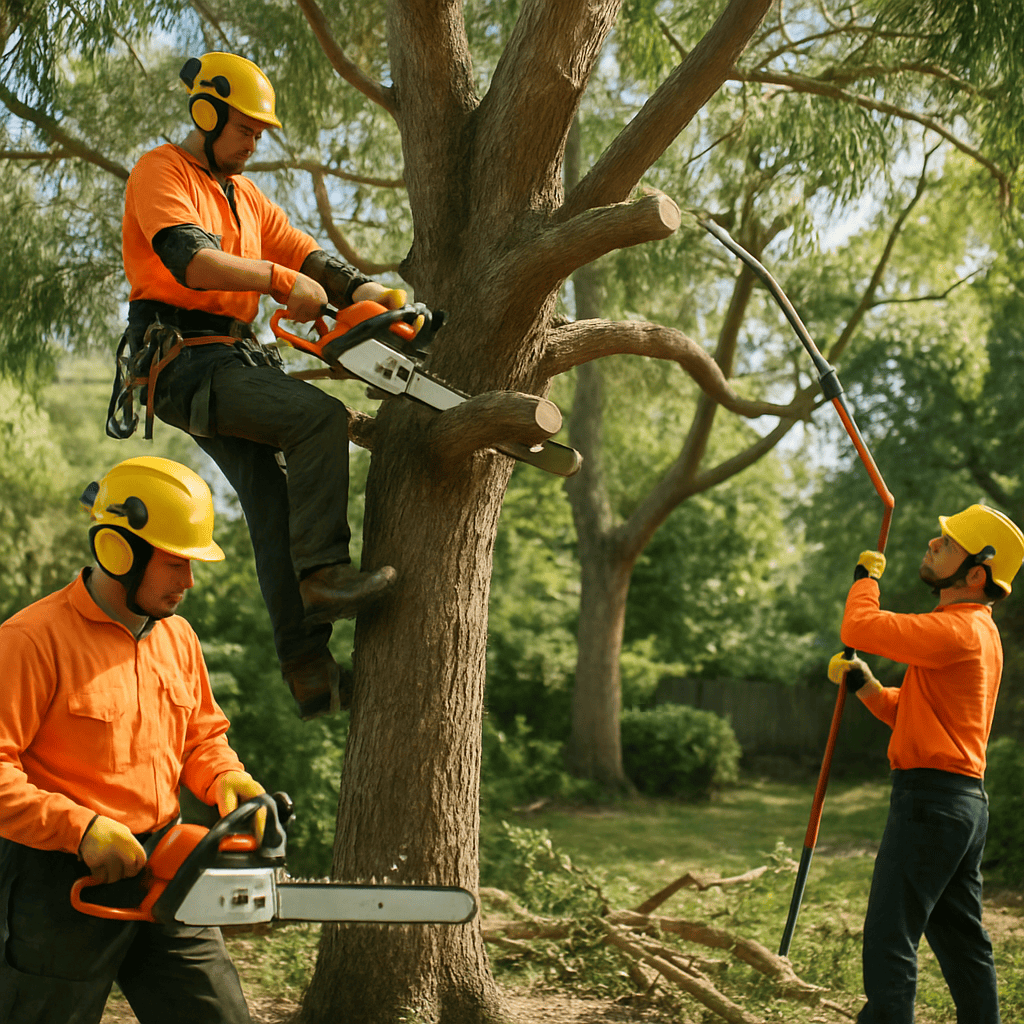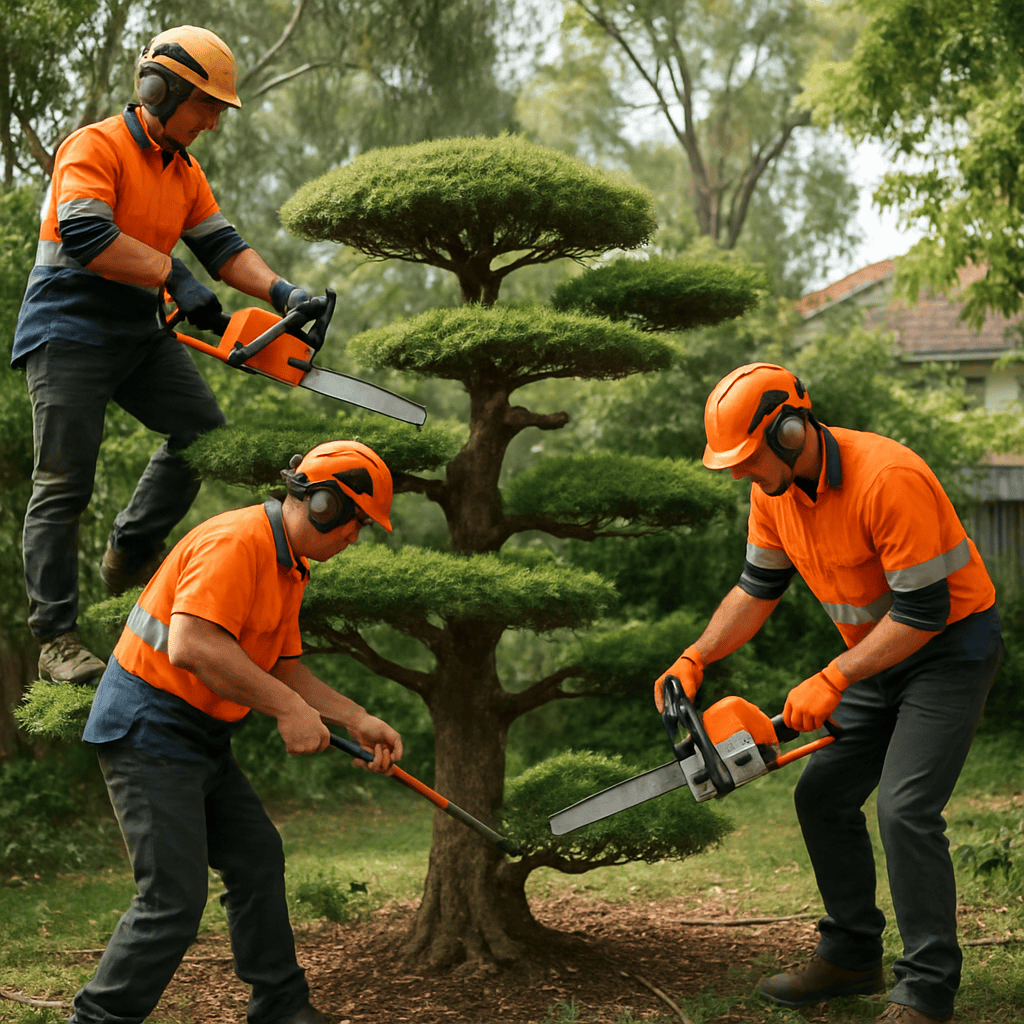
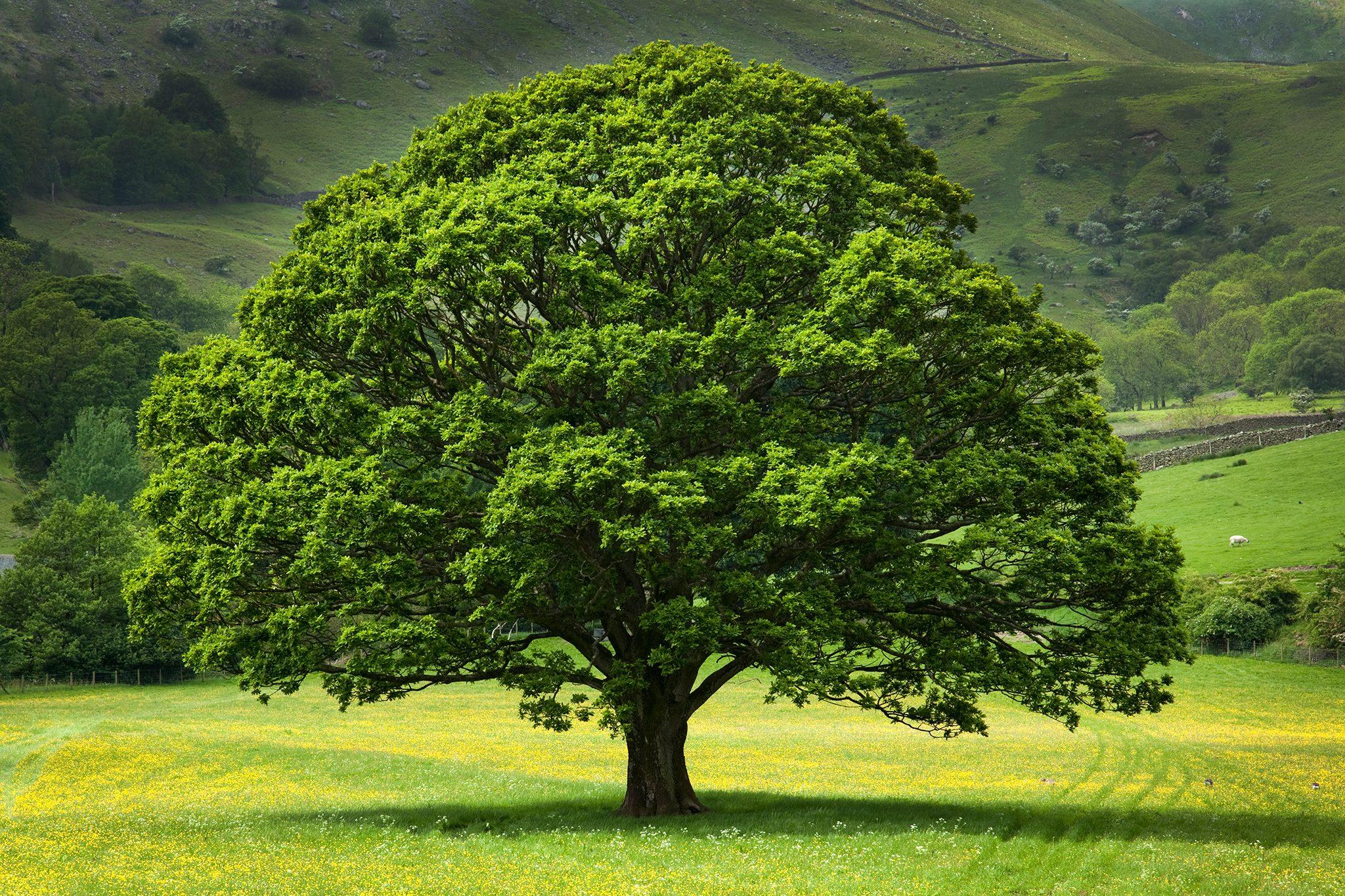
Trees have long been revered in various cultures and religions worldwide, serving as powerful symbols of peace and unity. The significance of trees as symbols of unification, love, and peace among civilizations is deeply rooted in their ability to connect people and foster a sense of harmony. From the structural symbolism found in the growth patterns of trees to their spiritual representations in different belief systems, the enduring presence of trees as symbols of peace and unity resonates across human history. In this article, we explore the multifaceted meanings and interpretations of trees as symbols of peace and unity, drawing from research that highlights their universal significance in creating bonds among communities and fostering a sense of interconnectedness[1][2][3].
The historical significance of trees in symbolizing peace and unity can be traced back through various cultures and societies. In ancient times, trees were often seen as sacred symbols of life, growth, and interconnectedness. Many civilizations used trees as a representation of harmony and balance in the natural world, leading to the belief that they held the power to bring people together in peaceful coexistence.
Cross-cultural perspectives on trees as symbols of harmony showcase the universal appeal of these majestic plants in fostering unity among different communities. From the Bodhi tree in Buddhism to the Tree of Life in various mythologies, trees have consistently been recognized as powerful symbols of interconnectedness and peace. This shared understanding across cultures highlights the inherent connection between trees and promoting unity among diverse groups of people.
The environmental importance of trees in promoting unity and cooperation cannot be overstated. Trees play a crucial role in maintaining ecological balance, providing clean air, and creating a sense of well-being in communities. By harnessing the power of trees to foster peaceful coexistence, we can create harmonious environments that promote unity and cooperation among individuals from all walks of life.
Q&A
Q: What do trees symbolize in the context of peace and unity?
A: Trees are often seen as symbols of peace and unity due to their ability to grow together in harmony and create a sense of interconnectedness among people. They represent strength, growth, and resilience, as they stand tall and provide shade and shelter for all living beings. Additionally, the parallel growth of trees towards the sun signifies a shared direction and purpose, emphasizing the importance of working together towards a common goal[1].
Q: Can you provide an example of a tree that symbolizes peace and unity in a specific cultural context?
A: The white pine, specifically known as the Great Tree of Peace, is a powerful symbol of unity among the five nations of the Haudenosaunee Confederacy. This tree represents the coming together of different groups to form a strong bond and maintain harmony among them. The white pine is a revered symbol of peace and cooperation within this cultural context[2].
Q: How is the Tree of Life connected to the concept of unity and strength?
A: Universally recognized as a symbol of unity, connection, and strength, the Tree of Life holds significance in various cultural and spiritual beliefs. In Christian, Celtic, and Islamic stories, the Tree of Life is often associated with the idea of interconnectedness and the continual cycle of life. Its roots represent stability and grounding, while its branches symbolize growth and expansion, emphasizing the importance of finding common ground and strength in unity[3].
Conclusion
In conclusion, trees stand as powerful symbols of peace and unity, embodying qualities of unification, love, and strength across various cultures and contexts. They serve as a metaphor for harmony among civilizations, reflecting a shared pursuit of growth towards a common goal while maintaining individual uniqueness. As seen in various interpretations, trees represent resilience, rebellion, and enlightenment, illustrating the depth and versatility of their symbolism in promoting peace and unity. This enduring symbol continues to inspire reflection on interconnectedness and the potential for cooperation in fostering a more peaceful world. For further insights on the symbolism of trees, explore the references provided in this article[1][2][3].
Simpsons Tree Services, Servicing Melbourne’s North Eastern Suburbs
Book a quote online at www.simpsonstrees.com.au