Trees play a vital role in our environment, providing numerous benefits such as clean air, shade, and aesthetic beauty. However, the removal or pruning of trees on private property often requires approval from the Tree Council through permits. In this article, we delve into the subject of “Understanding the Limitations of Tree Council Permits” to explore the regulations and restrictions imposed by tree by-laws[[1]]. By gaining insights into these limitations, homeowners and property owners can make informed decisions regarding tree maintenance and preservation efforts. Let’s embark on a journey to unravel the complexities surrounding tree permits and their implications.
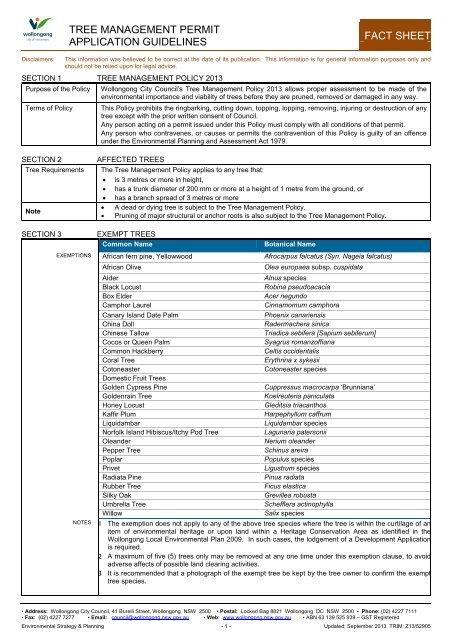
Tree Council Permits serve as vital tools in the management and preservation of trees within communities. Understanding the purpose of these permits is crucial for maintaining a harmonious balance between development and environmental conservation. Navigating the application process for Tree Council Permits involves submitting requests during new construction projects, which are typically reviewed as part of site plan assessments [1]. Utilizing resources like online city databases can help determine if a tree permit has been filed and approved, ensuring compliance with local tree preservation guidelines [3].
However, it is essential to recognize the key limitations of Tree Council Permits to avoid potential conflicts. These permits may come with restrictions on the types of trees that can be removed and the circumstances under which removal is permitted. It is important to work closely with professionals, such as arborists, to secure Tree Council Permits and navigate any challenges that may arise during the application process. Collaborating with experts in the field can help streamline the process and ensure that all regulatory requirements are met [2].
Q&A
Q: What are some challenges associated with Tree Council Permits?
A: One common challenge associated with Tree Council Permits is the lengthy approval process[1]. This can sometimes cause delays for individuals or organizations looking to carry out tree-related activities.
Q: Can trees be removed without a permit?
A: Trees should not be removed from a property without obtaining the necessary permit[2]. If a tree is removed without a permit, there may be a repayment amount required for a replacement tree, as determined by the city guidelines.
Q: Where can I find more information about Tree Work permits?
A: For Tree Work permits not related to development, additional information can be found by visiting the Parks and Recreation Tree Division website[3]. This resource can provide answers to specific questions related to Tree Work permits and major vegetation concerns.
Conclusion
gaining a better understanding of the limitations surrounding Tree Council permits is crucial for individuals seeking to navigate the regulations and requirements associated with tree-related activities. By examining the necessary building permit fees for minor remodeling and renovation, as well as the fees for tree-related projects, individuals can ensure compliance with local ordinances and regulations. It is evident from the challenges faced by renewable energy projects in securing permits that thorough knowledge of the licensing and permitting processes is essential for a successful outcome. For further insights into licenses and permits, it is advisable to refer to the relevant city ordinances and regulations[1][3].
Simpsons Tree Services, Servicing Melbourne’s North Eastern Suburbs
Book a quote online at www.simpsonstrees.com.au